Entry Level Nursing Jobs: What the Data Really Says
Entry Level Nursing Jobs: What the Latest Data Reveals About Starting Your Nursing Career
Here’s a stat that’ll wake you up faster than your first 7 a.m. shift: According to the Bureau of Labor Statistics, healthcare will add more than 200,000 new registered nurse positions annually through 2031. That’s roughly 6% growth, which sounds great on paper. But here’s the thing — if you’re a new grad right now, you’ve probably heard mixed messages about landing entry level nursing jobs. Some nurses say positions are everywhere. Others? They’re sending out 50+ applications with crickets in response.
So what’s actually going on? Let’s dig into the data and figure out what it really means for you.
The Entry Level Nursing Job Market: By the Numbers
The National Council of State Boards of Nursing’s 2023 workforce survey revealed something interesting. About 83% of newly licensed RNs found employment within four to six months after graduation. That sounds reassuring, right? But that also means nearly one in five new grads struggled to land their first position quickly.
In my experience covering nursing careers, there’s a massive gap between different regions and facility types. A recent AMN Healthcare survey showed that 89% of hospitals reported difficulty finding qualified nurses — yet many of these same facilities won’t consider new grads for certain positions. It’s frustrating, honestly.
The good news? Entry level nursing jobs do exist, and they’re growing. But you’ve gotta know where to look and what to expect.
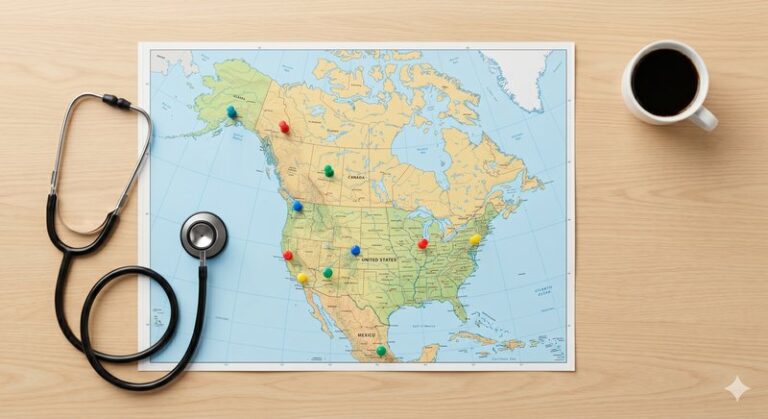
Where Are the Entry Level Nursing Jobs Actually Located?
Geography matters more than most nursing schools let on. The BLS data shows that California, Texas, New York, Florida, and Pennsylvania employ the most RNs overall. But when you’re hunting for that first gig, population density isn’t everything.
Rural hospitals and critical access facilities often have an easier time hiring new grads. Why? They can’t afford to be picky, and they’re more willing to invest in training. A 2023 study in the Journal of Nursing Administration found that rural facilities hired new graduates at rates 23% higher than urban academic medical centers.
On the flip side, those prestigious big-city teaching hospitals everyone wants? They’re swamped with applications. You’re competing against hundreds of other new grads for entry level nursing jobs at places like Johns Hopkins or Mayo Clinic. It’s not impossible, but you’ll need connections or something that makes your application stand out.
Here’s what this means for you: Don’t limit your job search to one geographic area. Cast a wider net. I’ve seen plenty of nurses launch amazing careers by starting in places they never expected to live. You can always relocate later once you’ve got that crucial first year under your belt.
Starting Salaries: What Can You Actually Expect?
Money talk — let’s get real about it. According to Salary.com’s 2024 data, entry level RN salaries range from about $60,000 to $85,000 annually, depending on location. That’s a huge spread, and it matters where you end up.
New grads in California might start at $80,000 or more, especially in the Bay Area or Los Angeles. Meanwhile, entry level nursing jobs in states like Alabama or Mississippi might offer $55,000 to $60,000. Cost of living plays into this, but it doesn’t always balance out.
Plus, there’s the shift differential factor. Many new nurses end up on night shift (we’ll get to that), and facilities typically pay 10-20% extra for those hours. Some hospitals offer even bigger differentials for weekends. If you’re willing to work the shifts everyone else avoids, you can bump up that entry level salary significantly.
Here’s another thing the data shows: Sign-on bonuses have dropped from their pandemic peaks but haven’t disappeared. A 2023 NSI Nursing Solutions report found that 65% of hospitals still offered some type of sign-on incentive for new grads, averaging around $3,000 to $8,000. Not life-changing money, but it helps with those student loans.
The Reality of Med-Surg: Your Most Likely Starting Point
If you ask me, nursing schools should spend more time preparing students for this reality: Most entry level nursing jobs are in medical-surgical units. The NSI report I mentioned earlier found that med-surg units have the highest turnover rates (up to 20% annually) and constantly need new staff.
This isn’t necessarily bad news. Med-surg teaches you fundamental skills fast. You’ll deal with a huge variety of conditions, learn time management under pressure, and figure out what type of nursing you actually enjoy. I think of it as nursing boot camp — intense, but incredibly valuable.
That said, the data also shows med-surg burnout is real. A 2022 study in the Journal of Clinical Nursing found that new grad nurses in med-surg reported higher stress levels than those in specialty areas. The patient-to-nurse ratios can be rough (often 5-6 patients per nurse), and you’re juggling a lot.
What this means for you: Don’t turn your nose up at med-surg positions. They’re often your ticket into a hospital system. Once you’re in and you’ve proven yourself, internal transfers to specialty units become much easier. Play the long game.
Nurses on X Are Telling a Different Story
Here’s where things get interesting. Nurses discussing entry level nursing jobs on social media paint a more complex picture than official statistics. A viral thread on X last month had hundreds of new grads sharing their job search experiences, and the responses were all over the map.
Some nurses landed multiple offers before even taking the NCLEX. Others had been searching for six months with nothing. The common thread? Networking made a massive difference. Nurses who’d done clinical rotations at facilities and impressed their preceptors got offers. Those who applied cold to hospital websites often heard nothing back.
One nurse tweeted something that really stuck with me: “The entry level nursing job market isn’t bad — it’s just that nobody teaches you how to actually break into it.” That resonated with thousands of other new grads who felt the same way.
The X discussions also highlighted something the official data misses: the emotional toll of the job search. New grads talked about feeling defeated after rejections, wondering if they’d made the right career choice, and dealing with imposter syndrome before even landing that first position. It’s real, and you’re not alone if you’re feeling it.
Specialty Areas: When Can You Actually Apply?
Let’s talk about everyone’s dream specialties — ICU, ER, labor and delivery, NICU. Can you land these as entry level nursing jobs? Sometimes, but it’s getting tougher.
A 2023 survey by the American Association of Critical-Care Nurses found that 62% of ICUs now require at least one year of med-surg experience before they’ll consider applicants. Ten years ago, that number was only 38%. The complexity of critical care has increased, and facilities are more hesitant to train brand-new nurses in these high-acuity environments.
However — and this is important — many hospitals run new grad residency programs specifically for specialty units. These structured programs (usually 6-12 months long) combine intensive training with mentorship. If you can get into one, you’ve hit the jackpot. They’re competitive, but they let you skip the med-surg stepping stone.
According to data from the Commission on Collegiate Nursing Education, hospitals with accredited residency programs see 15% higher retention rates for new grads. These programs work, and facilities know it. When you’re hunting for entry level nursing jobs, specifically search for terms like “nurse residency,” “new grad program,” or “transition to practice program.”
Long-Term Care and Home Health: The Overlooked Options
Here’s something most new grads don’t consider: long-term care facilities and home health agencies are actively hiring entry level nurses, often with less competition than hospitals. The American Health Care Association reports that skilled nursing facilities need approximately 200,000 additional nurses to meet demand.
I’ll be honest — these settings have a reputation problem. Nurses often see them as “less prestigious” than hospital work. But the data shows something different. New grads who start in long-term care develop exceptional assessment skills, learn to manage complex chronic conditions, and often have better work-life balance than their hospital counterparts.
Plus, the patient relationships you build are different. You’re not shuffling people out in three days. You get to know residents, understand their baseline, and catch subtle changes. It’s actually pretty rewarding nursing if you give it a chance.
Home health offers another path into entry level nursing jobs. Yes, it requires independence and strong assessment skills, but many agencies provide extensive orientation for new grads. According to the Home Care Association of America, starting salaries in home health average about $65,000, and you avoid the hospital politics entirely.
The Application Strategy That Data Supports
Research from ZipRecruiter shows that job seekers who apply within the first 48 hours of a posting going live are three times more likely to hear back. For entry level nursing jobs, this timing matters even more because hospitals often get flooded with applications quickly.
Set up job alerts on multiple platforms — Indeed, hospital websites directly, nursing-specific boards like NursingJobs.com. Check them daily. When you see a new grad position posted, apply that same day if possible.
Also, the data backs up what I’ve been saying for years: direct applications to hospital HR departments have higher success rates than applying through third-party job boards. A CareerBuilder study found that applications submitted directly to company websites resulted in callbacks 40% more often than those through aggregator sites.
Here’s your action plan: Make a spreadsheet of every hospital within your acceptable commute or relocation range. Go directly to their careers pages. Sign up for alerts. Apply there first, then cross-post to job boards as a backup.
What the Future Holds for Entry Level Nursing Jobs
Looking ahead, the outlook for entry level nursing jobs stays strong, but the nature of these positions is shifting. The American Nurses Association projects that demand will continue outpacing supply, especially as experienced nurses retire and patient populations age.
But here’s what’s changing: More entry level positions now require BSN degrees. The NSI data shows that 87% of hospitals now express a strong preference for BSN-prepared nurses, up from 78% five years ago. If you’ve got an ADN, you’ll still find entry level nursing jobs, but you might need to commit to completing your BSN within a certain timeframe.
Telehealth nursing is also emerging as a new entry point. While most telehealth positions traditionally required experience, some companies now hire new grads for triage roles or virtual patient education positions. These didn’t exist as entry level nursing jobs a decade ago, and they’re growing fast.
Making Your Move
Here’s the bottom line from all this data: Entry level nursing jobs are out there, but landing one requires strategy. You can’t just submit applications and hope for the best. Network during your clinical rotations. Apply early and often. Consider geographic flexibility. Don’t dismiss med-surg, long-term care, or residency programs.
Most importantly, don’t get discouraged if the process takes longer than you expected. That 83% employment rate within four to six months? It means you’re not behind if you don’t land something immediately after graduation. Give yourself grace, keep applying, and reach out to other nurses for support.
Your first nursing job won’t define your entire career. It’s a starting point, a place to build skills and confidence. The data shows that nurses who stay in their first position for at least one year have significantly better career trajectories than those who job-hop early. So find something that works, commit to learning, and trust the process.
You’ve worked too hard to get that RN license to give up now. The opportunities are there — you’ve just gotta know where to look and how to position yourself. Now get out there and land that first gig. Your nursing career is waiting.
“`